

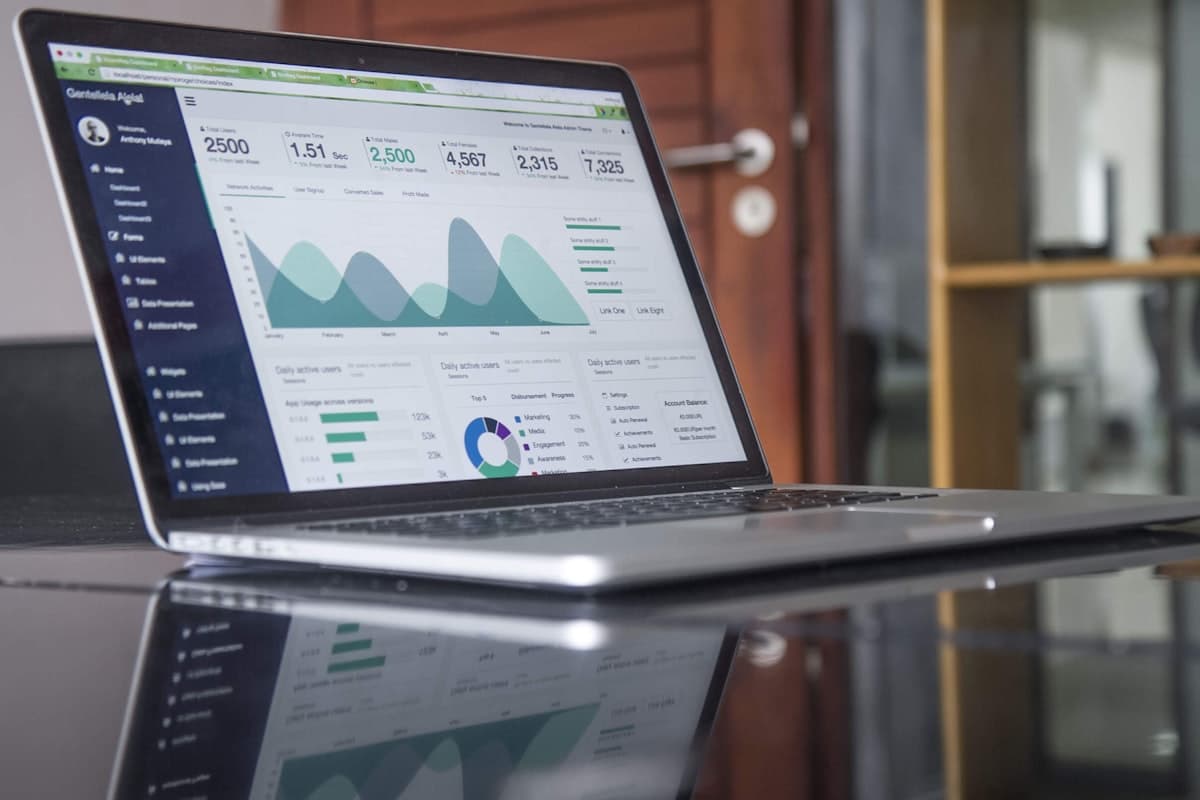
A blank dashboard editor is intimidating even when it's genuinely easy to use — the hard part is deciding what to put on it first. Templates solve that by giving you a working starting point built around a specific job, that you can then adjust instead of building from nothing.
Template 1: Financial Dashboard
Built for whoever owns the P&L conversation. Includes revenue and net profit KPI cards, an expense trend chart, and a table view of discounted orders — enough to answer "are we actually making money this month?" without opening a spreadsheet.
Template 2: Marketing Dashboard
Built for whoever owns acquisition and campaign performance. Includes order volume and average order value KPI cards, a sales-by-channel chart, and a table of recent high-value orders — the numbers that tell you whether spend is translating into the right kind of growth.
Template 3: Products Dashboard
Built for merchandising decisions. Includes a best-sellers chart and a full product catalog table with price, stock, and vendor columns — useful for deciding what to restock, discontinue, or feature next.
Template 4: Inventory Dashboard
Built for operations. Includes low-stock and out-of-stock product tables, so a stockout on a fast-moving SKU shows up as a dashboard card instead of a customer complaint.
Why Start From a Template Instead of a Blank Canvas
Templates aren't a limitation — every widget on them can still be removed, resized, or rearranged, and you can add more from the same KPI, chart, and table widget types used to build the template itself. The real value is skipping the "what should even be on here" decision for the 80% of layout that most stores in a given category actually need, then spending your time customizing the last 20% that's specific to your business.
"Having Financial and Inventory dashboards ready the moment we connected our store meant our ops manager was using real data on day one instead of week three."
— Founder, Home Goods Shopify Store
Beyond the 4 Templates
The 4 prebuilt dashboard templates cover the most common team-level views, but they're a starting point, not a ceiling — see 15 more dashboard examples for ideas on what to add next, from RFM segment breakdowns to goal-tracked KPI cards.